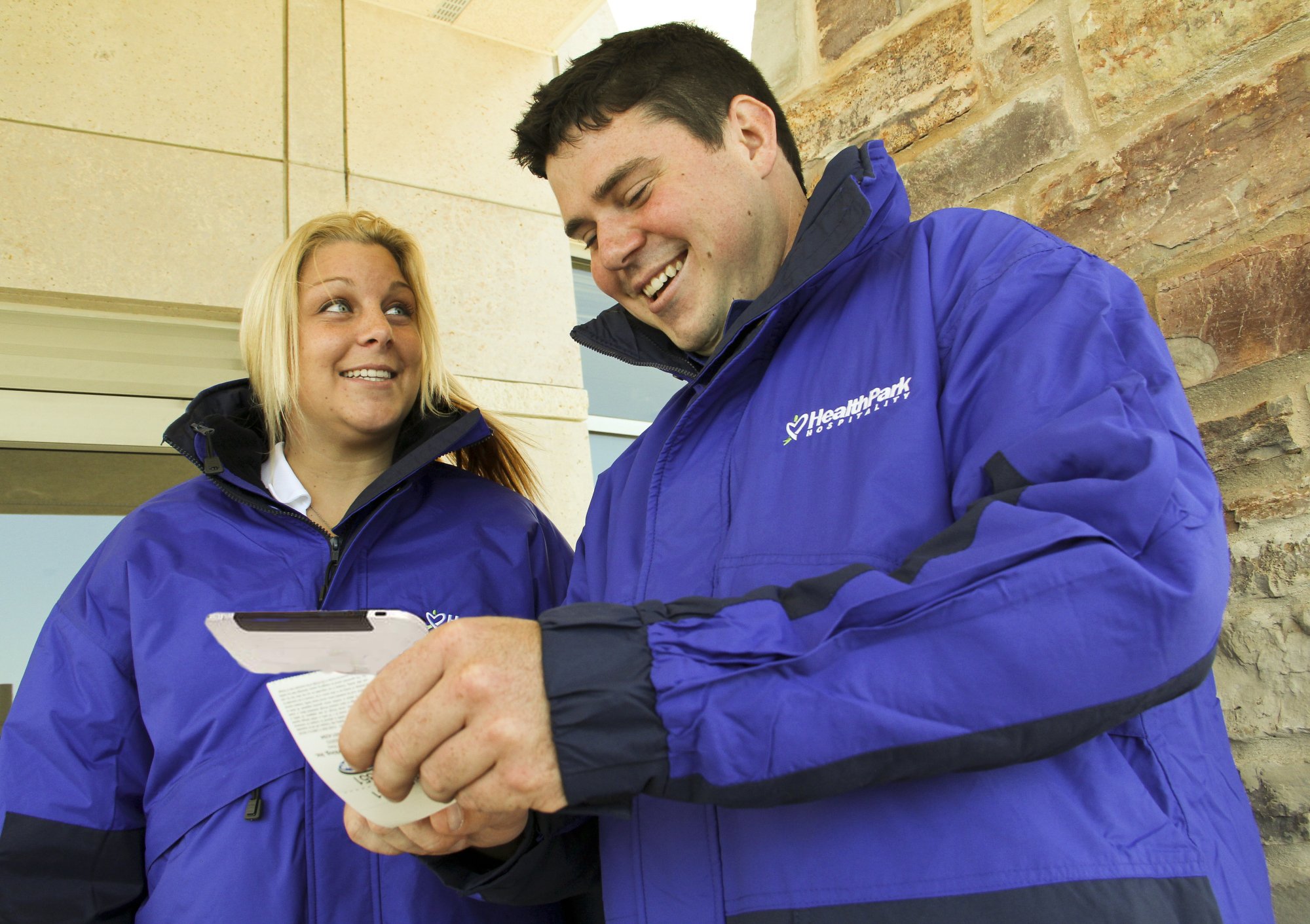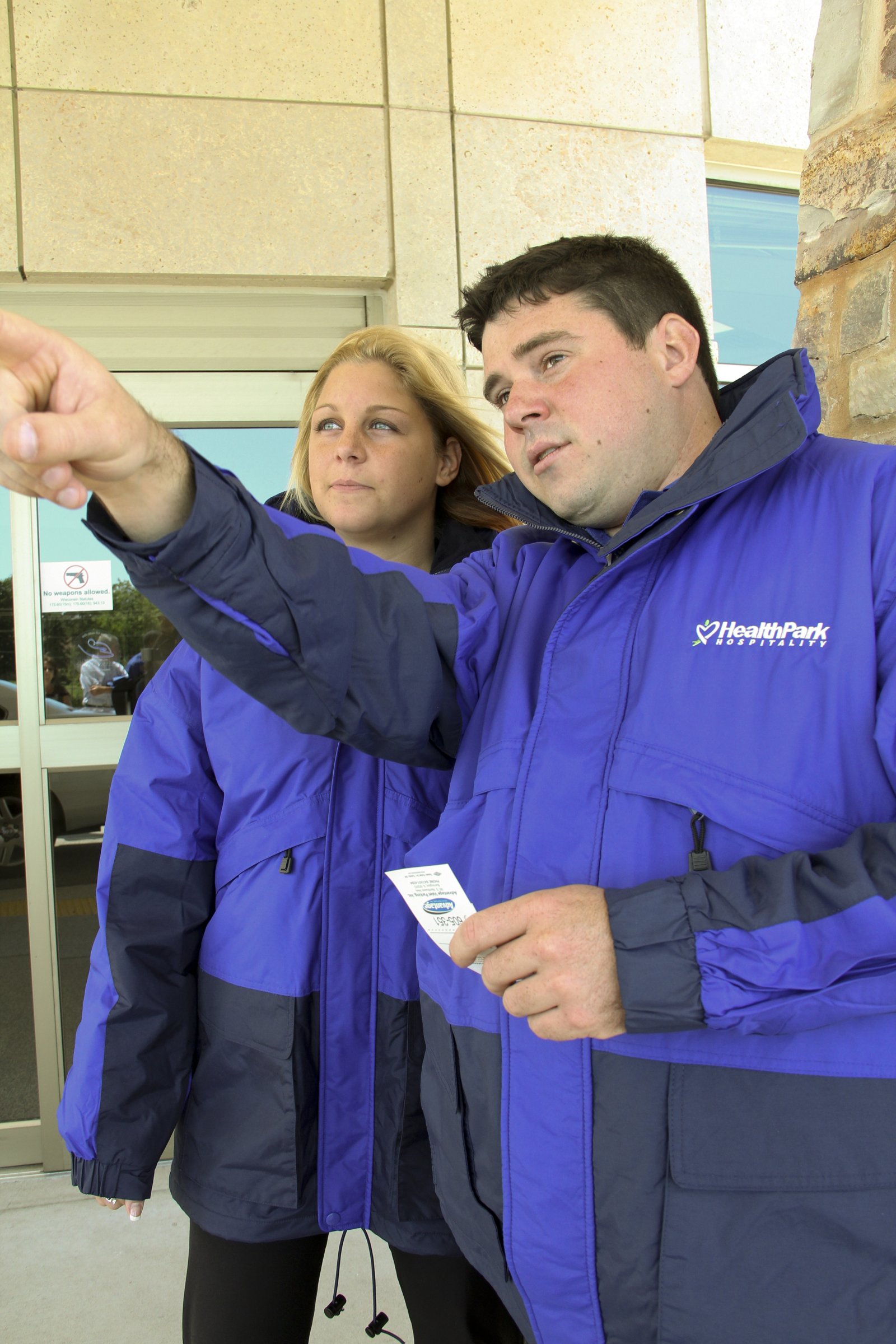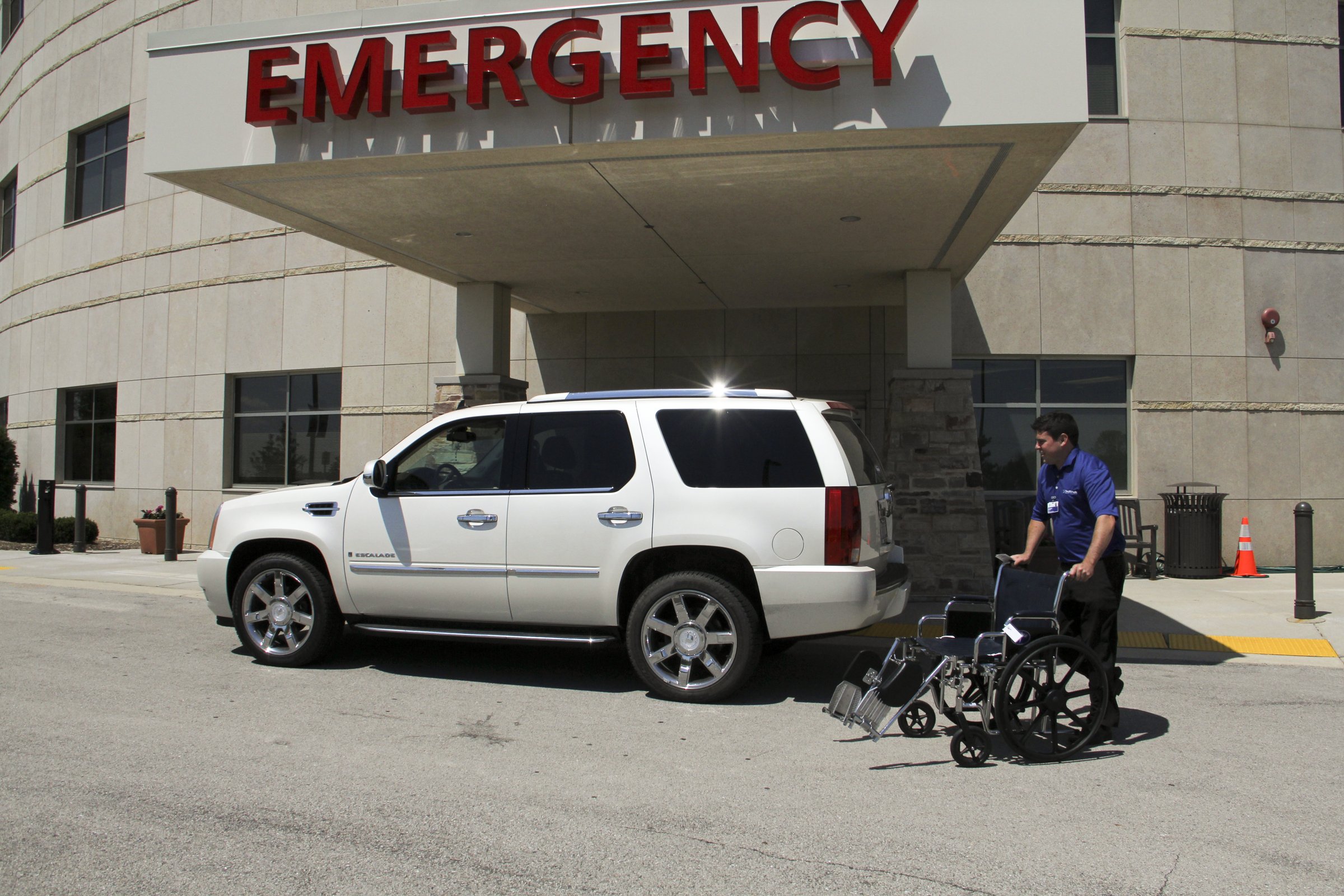
A hospital’s main entrance is one of the first places patients, visitors, employees, and vendors interact with a healthcare facility. Clear directions, helpful assistance, and organized entrance procedures can make a meaningful difference in how people experience their arrival.
Hospital entrances serve several important purposes. They accommodate patients and guests, provide directions, support established visitor procedures, and help manage access to designated areas. Without clear processes and appropriate staffing, these responsibilities can add pressure to clinical and administrative teams.
Hospital entrance management helps healthcare facilities organize these interactions. Through dedicated greeters and entrance monitors, hospitals can provide assistance at the entrance while supporting their established visitor and access procedures.
What Is Hospital Entrance Management?
Hospital entrance management involves organizing the people, procedures, and support services that help manage activity at a healthcare facility’s entrances.
Depending on the facility’s needs, this may include:
- Greeting patients and visitors as they arrive.
- Providing directions to departments and designated destinations.
- Sharing hospital maps and directory information.
- Checking employee and vendor identification badges.
- Communicating facility-specific access restrictions.
- Directing patients, guests, employees, and vendors to appropriate locations.
These responsibilities help create a more organized entrance experience while allowing hospital employees to focus on their respective roles.
Why Hospital Entrance Management Matters
Hospital entrances experience different types of activity throughout the day. Patients arrive for appointments, visitors come to see loved ones, employees report for shifts, and vendors enter to perform scheduled work.
A structured entrance management program can help healthcare organizations address several operational needs.
1. Create a Welcoming First Impression
The entrance is often the first point of personal interaction between a hospital and its patients or visitors.
A friendly greeting and helpful directions can make it easier for people to begin their visit, particularly when they are unfamiliar with the facility.
Greeters can welcome arriving patients and guests, provide maps, and share directory information to help them find the appropriate department or destination.
2. Help Patients and Visitors Find Their Way
Large healthcare facilities can be difficult to navigate, especially for first-time visitors.
Clear directions and accessible information help reduce confusion and unnecessary movement through the building.
Greeters and information attendants can assist by:
- Providing hospital maps.
- Sharing directory information.
- Directing patients and visitors to appropriate locations.
- Answering basic wayfinding questions.
This support can make the arrival process easier for patients, families, and other guests.
3. Support Visitor and Access Procedures
Hospitals may have specific procedures governing who can enter certain areas and how employees, vendors, and visitors access the facility.
Entrance monitors support established hospital access procedures by checking employee and vendor identification badges, communicating facility-specific access restrictions, and directing patients, visitors, employees, and vendors to appropriate locations.
These responsibilities help facilities apply their established entrance procedures more consistently while supporting an organized arrival process.
4. Reduce Additional Work for Hospital Staff
When entrance-related questions and routine access procedures are handled by dedicated support personnel, clinical and administrative employees may have fewer non-clinical tasks competing for their attention.
For example, entrance attendants can provide directions, communicate facility procedures, and help direct people to their appropriate destinations.
Entrance monitors can also help reduce the workload for hospital administrators by having a dedicated service provider manage entrance monitor scheduling responsibilities.
This allows nurses, technicians, and security officers to focus on their respective areas of expertise.
5. Help Keep Entrance Operations Organized
Hospital entrances must accommodate different groups of people without creating unnecessary confusion.
Clear directions, organized visitor procedures, and appropriately assigned entrance personnel can help manage activity at the front of the facility.
When responsibilities are clearly defined, patients, visitors, employees, and vendors have a more straightforward process for entering and navigating the building.
Greeters vs. Entrance Monitors: What Is the Difference?
Greeters and entrance monitors both support hospital entrance operations, but their responsibilities are different.
Greeters and Information Attendants
Greeters focus on welcoming patients and visitors and helping them find their way through the facility.
Their responsibilities may include:
- Providing friendly, professional greetings.
- Offering hospital maps and directory information.
- Giving directions to departments and other destinations.
- Helping patients and visitors understand where they need to go.
Their primary role is to support the arrival experience and make navigation easier.
Entrance Monitors
Entrance monitors focus on supporting established entrance and access procedures.
Their responsibilities may include:
- Greeting patients, visitors, employees, and vendors.
- Checking employee and vendor identification badges.
- Communicating facility-specific access restrictions.
- Directing people to appropriate areas.
- Supporting the facility’s established entrance procedures.
Their role supports the facility’s visitor management and access processes.
Depending on the hospital’s requirements, these services can be structured to work together as part of a broader entrance support program.
5 Factors to Consider When Planning a Hospital Entrance Management Program
Every healthcare facility has different entrance requirements. Before establishing a program, administrators should consider the following factors.
1. Entrance Traffic and Activity
Review how many people use each entrance and when activity is highest.
Main entrances, employee entrances, and vendor access points may have different staffing and operational requirements.
Understanding these patterns helps determine where support personnel are needed.
2. Staffing and Scheduling
Staffing levels should reflect the facility’s operating hours, entrance activity, and service requirements.
Hospitals should consider shift coverage, scheduling responsibilities, and how staffing can be adjusted when operational needs change.
3. Visitor and Access Procedures
Entrance personnel should understand the facility’s established procedures for visitors, employees, and vendors.
Clear instructions help ensure that staff know when to provide directions, check identification, communicate restrictions, or refer questions to the appropriate hospital department.
4. Training and Professional Communication
Healthcare entrances require a professional and patient-centered approach.
Personnel should understand how to communicate respectfully with patients, families, employees, and vendors, including individuals who may be unfamiliar with the facility or experiencing a stressful situation.
Training should reflect the hospital’s expectations, service standards, and applicable procedures.
5. Performance Monitoring
Healthcare organizations should have a way to review how their entrance support programs are operating.
Depending on the service, this may include reviewing staffing coverage, scheduling, patient and visitor feedback, and operational observations.
Regular review helps administrators identify areas where procedures or staffing arrangements may need adjustment.
How HealthPark Supports Hospital Entrance Operations
HealthPark Hospitality provides patient-centered support services designed specifically for healthcare environments.
Its entrance support services include greeters and information attendants as well as entrance monitors who assist patients, visitors, employees, and vendors.
Greeter and Information Attendant Services
HealthPark’s greeters welcome patients and visitors, provide hospital maps, and share directory information to help people find their appropriate destinations.
Through friendly, helpful interactions and scripted greetings, these attendants help create a positive first impression for patients and guests.
Entrance Monitor Services
HealthPark’s entrance monitors greet patients, guests, employees, and vendors; check employee and vendor identification badges; communicate facility-specific access restrictions; and provide directions.
HealthPark also manages all scheduling responsibilities for its entrance monitor services, helping reduce the administrative workload associated with coordinating entrance personnel.
Its entrance monitor services also help reduce the workload for housekeeping by directing patients and visitors to their intended destinations rather than other areas of the facility.
Through its healthcare-focused staffing approach and HealthPark University training, HealthPark prepares its associates to provide professional, helpful, and patient-centered service.
These services help healthcare organizations provide a more organized entrance experience while allowing clinical and administrative employees to focus on their primary responsibilities.
Learn more about HealthPark’s healthcare support and valet services.
Final Thoughts
Hospital entrance management is an important part of organizing the patient and visitor experience. From providing directions to supporting established access procedures, entrance personnel help manage interactions that take place before people reach their intended destinations.
By establishing clear responsibilities, appropriate staffing, and consistent procedures, healthcare organizations can make their entrances more organized and welcoming.
With dedicated greeters and entrance monitors, HealthPark Hospitality helps hospitals support patients, visitors, employees, and vendors throughout their arrival experience.
To learn more about HealthPark’s healthcare support services, contact HealthPark Hospitality.