Running a healthcare facility is expensive. Every department, every process, every service line carries a cost.
Parking is often overlooked. Most administrators treat it as a fixed overhead expense. But unmanaged parking operations quietly drain resources in ways that rarely show up on a single line item.
The right valet partner changes that. A dedicated team does not just manage cars; it actively helps reduce operational costs, improve the overall experience for patients and staff, and mitigate liability risks through structured processes, trained personnel, and secure vehicle handling protocols. Here is how that works in practice.
Why Parking Costs More Than You Think
Before looking at solutions, it helps to understand the full picture.
The Hidden Costs of Self-Managed Parking
Facilities running their own parking operations carry more overhead than they often realize:
1- In-house staff salaries, benefits, and training costs.
2- Time spent by supervisors handling parking complaints.
3- Damage claims and liability from unmonitored lots.
4- Underused parking spaces during off-peak hours.
5- Inefficient layouts that push patients to overflow areas.
None of these feels dramatic on their own. Together, they represent a significant and ongoing expense.
Why In-House Management Rarely Scales Well
Patient volumes fluctuate. Staffing does not always follow. You end up either overstaffed on quiet days or scrambling during peak hours. Neither is efficient. And the administrative burden of managing a parking department falls on leadership that should be focused elsewhere.
What Sets a Dedicated Valet Partner Apart
Not all valet services are built the same way. A shared or rotating crew learns your facility once and moves on. A dedicated valet partner goes deeper.
A Team That Learns Your Facility
A dedicated team is assigned to your location long-term. Over time, they develop an understanding of your specific layout, patient flow, peak hours, and high-priority zones. That familiarity translates directly into faster service, fewer errors, and smoother operations.
Working Closely with Your Staff
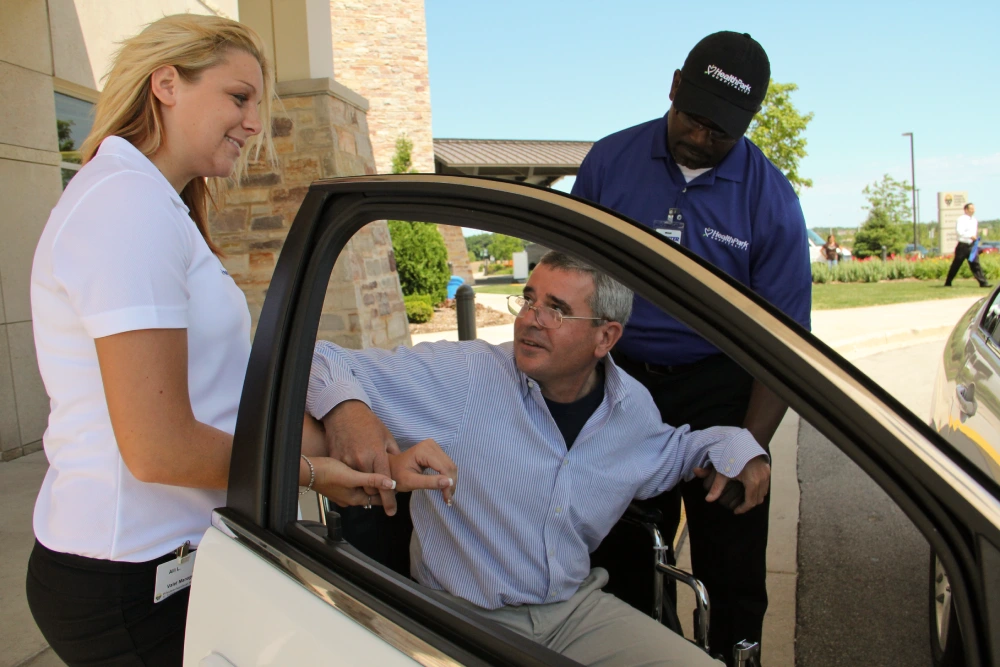
Healthpark Valet works closely with hospital staff rather than operating in a silo. Valet attendants coordinate with front desk teams, security, and facility managers in real time.
This level of integration means fewer gaps, faster responses, and a parking experience that feels like an extension of your facility rather than a separate operation.
How a Dedicated Valet Partner Reduces Operational Costs
This is where the business case becomes clear.
Labor Cost Efficiency
When you outsource to a dedicated valet team, you eliminate a department. No payroll management, no benefits administration, no HR overhead. You pay for a defined service. The valet partner handles everything behind that. Staffing levels also flex with demand.
Maximizing Existing Parking Space
Trained valet attendants park vehicles far more efficiently than self-parking allows.
1- More cars fit into the same footprint.
2- Overflow lots get used less frequently.
3- No need to expand or build additional parking structures.
For facilities considering a capital investment in new parking infrastructure, a professional valet service can often delay or eliminate that need entirely.
Reducing Liability and Claims
Unmonitored parking lots are a liability risk. Accidents, disputes, and damage claims all carry financial and administrative costs.
A professional valet service documents every vehicle at drop-off and retrieval. Issues are caught early, disputes are resolved with evidence, and the provider carries their own insurance. That shifts risk away from your facility in a meaningful way.
Cutting Maintenance and Energy Costs
When parking spaces are used efficiently, fewer areas of the lot need to be actively lit, patrolled, and maintained.
Over time, those reductions in energy and upkeep add up. It is not the most obvious savings, but across a large facility, it becomes significant.
Real-Time Management as a Cost-Saving Tool
Modern valet parking solutions are built on technology, not just manpower.
What Real-Time Tracking Delivers
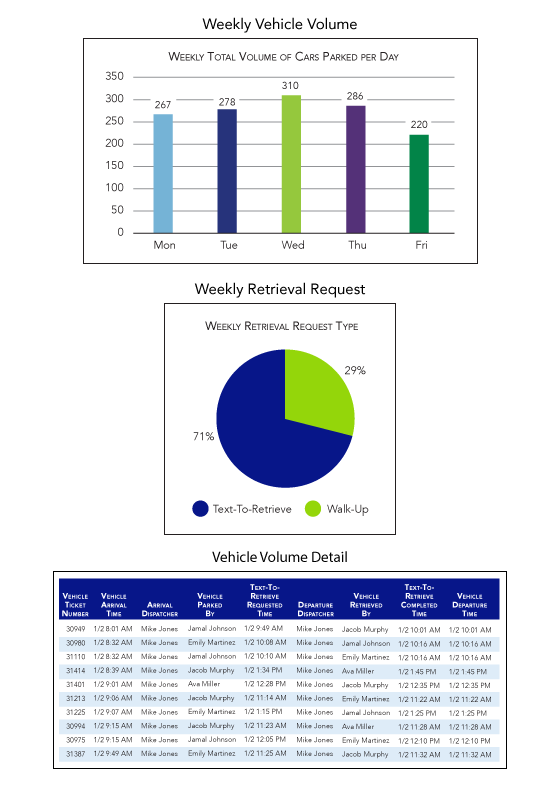
Healthpark Valet uses real-time systems to monitor every vehicle throughout its time at your facility:
1- Instant visibility into vehicle status.
2- Faster retrieval times that reduce patient wait times.
3- Accurate records that eliminate disputes over damage or timing.
4- Data that helps forecast staffing needs and identify inefficiencies.
This kind of operational intelligence would be difficult and expensive to build in-house. It comes built into the service.
Reporting That Helps You Make Better Decisions
Facility managers receive regular reports covering volume, peak times, service speed, and incident logs.
That data is useful beyond parking. It informs scheduling, infrastructure planning, and resource allocation in ways that were not possible without it.
The Guest Experience Side of the Equation
Reducing operational costs and improving the guest experience are not competing goals. With the right valet partner, they happen together.
Why the Parking Experience Shapes the Whole Visit
Patients arriving for appointments are often stressed, pressed for time, or physically limited. The parking experience is their first interaction with your facility.
A smooth, welcoming arrival sets a positive tone. A frustrating one can affect how the entire visit is perceived, even if everything else goes well.
Peace of Mind for Patients and Families
Valet parking removes the effort of finding a space, walking long distances, and worrying about a vehicle during an appointment.
Patients hand over their keys and walk straight in. That simplicity matters, especially in a healthcare setting.
How a Better Experience Protects Revenue
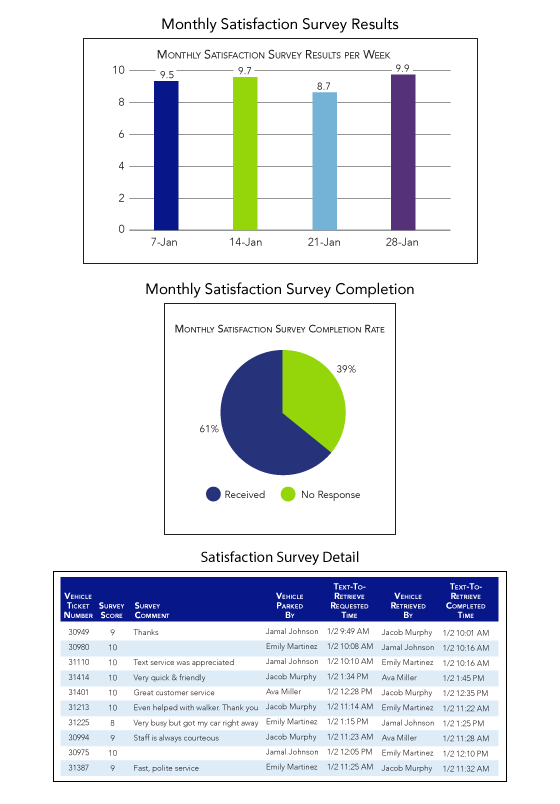
Patient satisfaction scores affect reimbursements, reviews, and referrals. Parking consistently appears as a pain point in patient feedback when it is not managed well.
Addressing it directly through a professional valet service is one of the more straightforward ways to move those scores in the right direction.
Choosing the Right Dedicated Valet Partner
If you are evaluating options, here is what actually matters.
Key Qualities to Look For
1- Specific experience in healthcare environments.
2- A dedicated team model, not shared or rotating staff.
3- Real-time reporting and consistent communication.
4- Verifiable references from comparable facilities.
5- Full liability coverage.
Healthpark Valet focuses exclusively on healthcare settings. That specialization means the team arrives already familiar with the pace, sensitivity, and standards your facility requires.
Questions Worth Asking Any Valet Provider
1- How do you handle staffing during peak hours?
2- What technology do you use for vehicle tracking?
3- What does your liability coverage include?
4- How does your team coordinate with facility staff?
5- Can you provide references from similar facilities?
The answers will tell you quickly whether a provider is equipped to be a true operational partner or just a basic parking service.
FAQs
How does a dedicated valet partner reduce operational costs compared to in-house parking management?
Outsourcing eliminates the overhead of running a parking department, including salaries, benefits, training, and HR management.
What makes a dedicated valet team different from a general valet service?
A dedicated team is assigned long-term to your specific facility. They learn your layout, patient flow, and peak patterns, which leads to faster service and fewer inefficiencies compared to a rotating crew.
How does Healthpark Valet work closely with hospital staff?
The team coordinates directly with front desk staff, security, and facility managers on a daily basis. Real-time communication tools keep everyone aligned throughout the day.
Can a valet service really reduce the need for additional parking infrastructure?
Yes. Professional valet attendants park vehicles significantly more efficiently than self-parking. Many facilities find that the same lot can handle more volume without any structural changes.
What happens to liability when you switch to an outsourced valet service?
The valet provider carries their own insurance and documents every vehicle at intake and return. This shifts a significant portion of the liability risk away from the facility.
How quickly can facilities expect to see a reduction in operational costs?
Most facilities notice measurable changes within the first few months, particularly in labor costs and space efficiency. Long-term savings compound as the team becomes more familiar with the facility.
Does Healthpark Valet provide any reporting or data to facility management?
Yes. Real-time tracking and regular reports give facility managers visibility into volume, service speed, peak periods, and incident logs. That data supports broader operational planning beyond just parking.