
Busy mornings at a hospital can feel like organized chaos. Patients are arriving for early appointments. Visitors are circling the parking lot. Staff are trying to get to their shifts on time. And somewhere in the middle of all that, someone who is already anxious about their health is stuck looking for a parking space.
This is the reality of high-volume periods at hospitals and healthcare facilities across the country. And it is a problem that more healthcare organizations are addressing through professional valet services.
What Counts as a High Volume Period?
Not every busy day looks the same. High volume periods can hit at predictable times or show up without warning.
Common examples include:
1- Weekday morning rush between 7 AM and 10 AM.
2- Post-holiday surges when patients reschedule missed appointments.
3- Flu season and respiratory illness spikes.
4- Community health events and screening days.
5- Visiting hours at inpatient facilities.
6- Days following major weather events.
During these windows, the pressure on parking areas, entrances, and support staff increases rapidly. Without a plan, the experience for patients and visitors breaks down quickly.
The Real Cost of Poor Parking Management
Before getting into solutions, it helps to understand what is actually at stake. When patients and visitors struggle to find parking, the effects ripple outward.
1- Appointments start late, which backs up the entire schedule.
2- Patients arrive stressed, which affects how they experience their care.
3- Staff spend time managing complaints instead of focusing on their core work.
4- Patient satisfaction scores drop, which affects hospital ratings and revenue
A single frustrating parking experience can shape how a patient feels about an entire healthcare visit. That perception matters, especially when hospitals compete for patient loyalty.
How Healthcare Valet Services Solve These Challenges
Healthcare valet services are not just a convenience add-on. At high-volume facilities, they are an operational tool that addresses specific problems in a structured way.
Here is how each challenge gets handled.
Managing Hospital Traffic Flow
Traffic congestion at hospital entrances is one of the most visible signs that a facility is overwhelmed. Cars backing up into the street, near-misses at crosswalks, and confused drivers blocking drop-off zones all create unnecessary risk.
Professional valet attendants are trained specifically for healthcare environments. They move vehicles efficiently, keep drop-off zones clear, and coordinate traffic patterns in real time.
The result is a smoother entry experience for everyone, including patients in acute distress who need immediate access to the entrance.
Key benefits for traffic management:
1- Dedicated drop-off zones managed by trained staff.
2- Faster vehicle turnover in high-demand areas.
3- Fewer vehicles are idling near entrances.
4- Safer pedestrian crossings during peak arrival times.
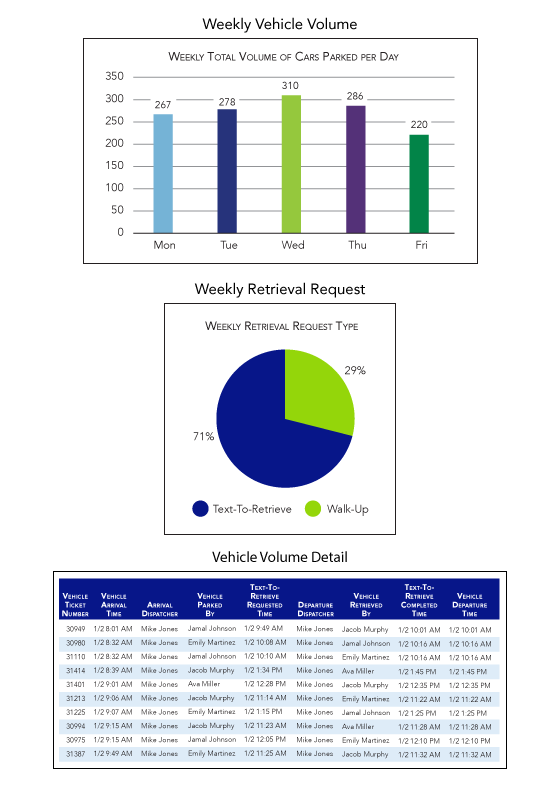
HealthPark Valet uses historical volume data and forecasting to match staffing levels to demand. That means the right number of valet attendants is on-site before the rush begins, not after it has already caused delays.
Improving Patient Satisfaction
Patient satisfaction is directly tied to the full experience, not just the clinical outcome.
Research consistently shows that the moments before and after a medical appointment, including arrival, parking, and departure, shape how patients rate their overall visit. Walking long distances from a remote parking lot or spending 15 minutes looking for an open space sets a negative tone that is hard to reverse once a patient walks through the door.
When hospitals offer valet parking services at the entrance, that stress disappears immediately.
Patients are greeted by name or by number. Their vehicle is handled with care. And when they are ready to leave, sometimes after a draining appointment or procedure, their car is waiting for them at the door.
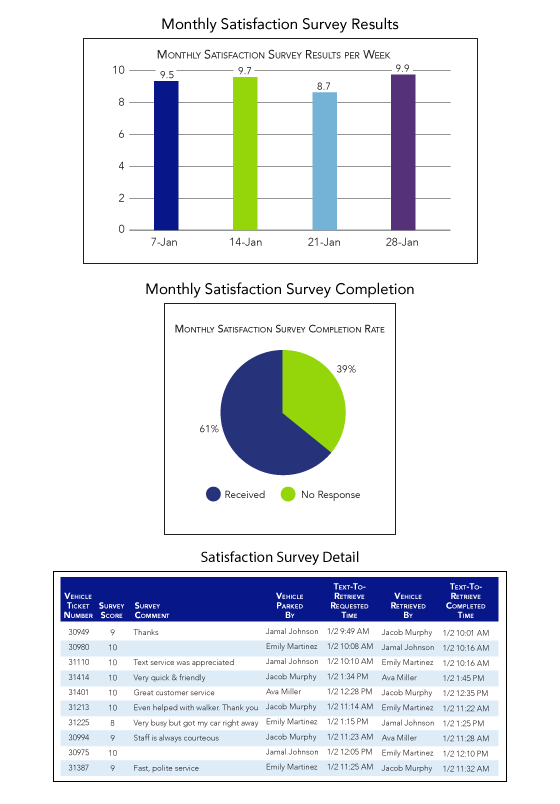
HealthPark Valet reports that 97.2% of patients say they would recommend their valet experience to friends and family. That kind of satisfaction score reflects something deeper than just convenience. It reflects how patients feel when they know they are being cared for from the moment they arrive.
Supporting Elderly Patients and Those With Mobility Issues
Not every patient who visits a hospital and healthcare facility is able to navigate a large parking lot on their own.
Elderly patients, those recovering from surgery, patients using wheelchairs or walkers, and anyone experiencing pain or limited mobility face real challenges when parking areas are located far from the entrance.
Walking long distances is not just uncomfortable. In some cases, it is genuinely risky.
Valet parking services eliminate that barrier entirely.
1- Patients are dropped off directly at the entrance.
2- Valet attendants assist with mobility aids when needed.
3- No navigating unfamiliar parking structures or uneven terrain.
4- Pickup at discharge is handled at the same door.
This is not a small detail. For a patient coming in for chemotherapy, dialysis, or post-surgical care, not having to worry about the parking lot is one less thing that makes an already difficult day harder.
Patient-centered care starts before anyone walks through the hospital door. Healthcare valet services make that principle tangible.
Operational Benefits for Hospitals and Healthcare Facilities
Beyond the patient experience, healthcare valet services create measurable operational advantages for the hospitals that use them.
Reducing Staffing and Labor Costs
Running an in-house valet or parking management team involves more than wages. There are benefits, overtime, scheduling, training, turnover, and administrative costs that add up quickly.
Outsourcing to a specialized provider like HealthPark Valet removes most of that overhead.
HealthPark clients report:
1- $125,000 in annual labor efficiency savings.
2- 11.7% annual increase in productivity.
3- 26.7% annual reduction in total costs.
These are not theoretical projections. They are outcomes from hospitals and medical centers that made the switch from in-house to outsourced valet and support services.
The cost structure changes because the provider handles all staffing, benefits, scheduling, and management. The hospital pays for a service, not a department.
Scalable Staffing for Variable Demand
High-volume periods do not follow a fixed calendar. Patient demand fluctuates with seasons, community health trends, and day-to-day scheduling realities.
A healthcare facility that staffs for its average day will be overwhelmed on its busiest days. A facility that staffs for its busiest days will be overpaying on every other day.
HealthPark Valet solves this by combining data-driven forecasting with a flexible team of full-time and part-time associates. Staffing levels adjust based on anticipated demand, not guesswork.
That means:
1- Peak hours are covered without scrambling.
2- Slower periods are not overstaffed.
3- Operating hours can be adjusted without long-term commitments.
Support Services Beyond Parking
HealthPark Valet also provides a broader range of patient support services beyond parking alone.
These include:
1- Hospital employee shuttle services.
2- Non-emergency medical transportation.
3- Patient experience support roles.
Having one provider manage multiple touchpoints in the patient journey simplifies operations and creates a more consistent experience throughout the facility.
Technology That Makes It Work
Modern hospital valet services are not run on clipboards and paper tickets anymore.
HealthPark Valet uses touchless ticketing and tap-to-retrieve technology, which means patients can request their vehicle without standing at a counter or hunting for a paper stub.
Additional technology features include:
1- Real-time vehicle volume data.
2- Patient satisfaction data collection.
3- HealthParkSAFE protocols for vehicle handling and staff safety.
These tools give hospital administrators visibility into how the service is performing, not just anecdotally but through actual numbers. That transparency supports continuous improvement and makes it easier to demonstrate value to hospital leadership.
What Sets a Healthcare-Focused Provider Apart
Not every valet company is equipped to operate in a clinical environment. Healthcare facilities have unique requirements. HIPAA awareness, patient-centered training, sensitivity to patients in distress, and familiarity with the pace and culture of a hospital setting are all things that general parking operations do not prepare staff for.
HealthPark Valet is exclusively healthcare-focused. Every associate is trained specifically for hospital environments, which means they understand how to interact with patients and visitors who may be frightened, grieving, in pain, or simply overwhelmed.
That distinction matters when a patient having one of the worst days of their life pulls up to the entrance, and the first person they interact with is a valet attendant.
Who Benefits From Healthcare Valet Services?
The value of hospital valet services extends to several groups within the facility.
Patients and Visitors
1- Faster arrival with no parking stress.
2- Physical assistance for those with mobility limitations.
3- A positive first and last impression of the visit.
Hospital Staff
1- Reduced congestion near entrances.
2- Employee shuttle options for large campuses.
3- Less time managing parking-related complaints.
Hospital Administrators
1- Lower labor and operational costs.
2- Measurable patient satisfaction data.
3- A scalable solution that adjusts to demand.
The Healthcare Facility Overall
1- Improved patient satisfaction scores.
2- Stronger community reputation.
3- A more organized and professional first impression.
Frequently Asked Questions
What are healthcare valet services?
Healthcare valet services are professionally managed parking programs designed specifically for hospitals, medical centers, assisted living facilities, and other healthcare settings. Trained valet attendants handle vehicle parking and retrieval so patients and visitors can focus on getting to their appointment.
How do valet services help during high-volume periods?
During peak hours or busy seasons, valet attendants manage traffic flow at entrances, keep drop-off zones clear, and ensure vehicles are parked and retrieved efficiently. This reduces congestion, shortens wait times, and prevents the kind of parking chaos that creates a negative patient experience before anyone even steps inside.
Are healthcare valet services worth the cost?
For many hospitals and healthcare facilities, outsourcing valet and support services actually reduces costs compared to managing those functions in-house. HealthPark Valet clients have reported average annual savings of $125,000 in labor efficiency alone, along with a 26.7% reduction in total costs.
How does valet parking improve patient satisfaction?
Parking is often the first and last part of a hospital visit. A smooth, stress-free arrival sets a positive tone for the entire experience. Patients who do not have to search for parking or walk long distances arrive calmer and more prepared for their appointments. Upon departure, having their vehicle waiting at the door after a tiring appointment reinforces a positive overall impression.
Do valet services help elderly patients and those with mobility issues?
Yes. Valet parking services are especially valuable for patients who cannot easily navigate large parking lots. Elderly patients, those recovering from procedures, and anyone using mobility aids can be dropped off directly at the entrance and picked up at the same location when they are ready to leave. This eliminates a significant physical and logistical barrier.
What technology does hospital valet parking use?
Modern valet services use tools like touchless ticketing, tap-to-retrieve vehicle requests, and real-time volume tracking. HealthPark Valet also collects patient satisfaction data and uses forecasting tools to align staffing levels with expected demand. This technology makes the service more efficient and gives hospital administrators transparent performance data.
Can valet services scale during unexpected surges?
Yes. A well-run provider like HealthPark Valet uses historical data and demand forecasting to adjust staffing levels before high-volume periods. Their team of full-time and part-time associates creates flexibility so hospitals are not caught unprepared on their busiest days.
Is HealthPark Valet only for large hospitals?
No. HealthPark Valet serves hospitals, medical centers, and assisted living facilities of varying sizes. Their approach is tailored to each facility’s specific needs, including operating hours, patient volume patterns, and the range of support services required.
Final Thoughts
High-volume periods will always be part of running a healthcare facility. But the chaos that often comes with them is not inevitable. With the right healthcare valet services in place, hospitals can turn one of the most stressful moments of a patient visit into one of the most reassuring ones.
That is what managing hospital traffic flow and improving patient satisfaction actually looks like in practice.