Flu season puts pressure on every part of a hospital. Waiting rooms fill up faster. Parking lots stay busy from morning to evening. Staff is stretched thin while patient volumes climb. This is where strong valet services during flu season can make a real difference.
A well-run valet program does more than park cars. It shapes the first impression a hospital gives. It keeps the front entrance moving. Most importantly, it helps protect patients and visitors during the most contagious months of the year.
At HealthPark Hospitality, the focus is on streamlining the transition from the car to the clinic. This specialized healthcare parking management system allows medical staff to focus on patient care rather than managing external logistics.
Why Valet Services During Flu Season Matter
Flu season usually runs from late fall through early spring. During this stretch, hospitals see a steady rise in:
1- Outpatient visits
2- Emergency room arrivals
3- Vulnerable patients with weaker immune systems
4- Family members visiting sick relatives
All of this puts pressure on the parking lot. Sick patients struggle to walk long distances. Older visitors hesitate to drive in icy weather. Drivers circle the lot trying to find parking near the entrance.
A reliable valet service removes most of these problems right at the front door.
Enhancing Infection Control From the Entrance
Safety starts the moment they arrive. During flu season, minimizing the time spent in public areas is a top priority. Hospital valet parking helps achieve this by shortening the journey from the vehicle to the clinic.
Touchless Systems and Hygiene Protocols
A strong valet team follows protocols built for clinical environments. HealthParkSAFE, for example, is designed to limit cross-contamination at every touchpoint.
Common practices include:
1- Touchless ticketing and tap-to-retrieve technology
2- Regular cleaning of high-touch surfaces inside vehicles
3- Hand hygiene stations at every valet stand.
4- Masking protocols for valet attendants when needed
5- Clear distancing markers at pickup and drop off
This approach supports the broader infection control goals already in place inside the building.
Proactive Response From Valet Attendants
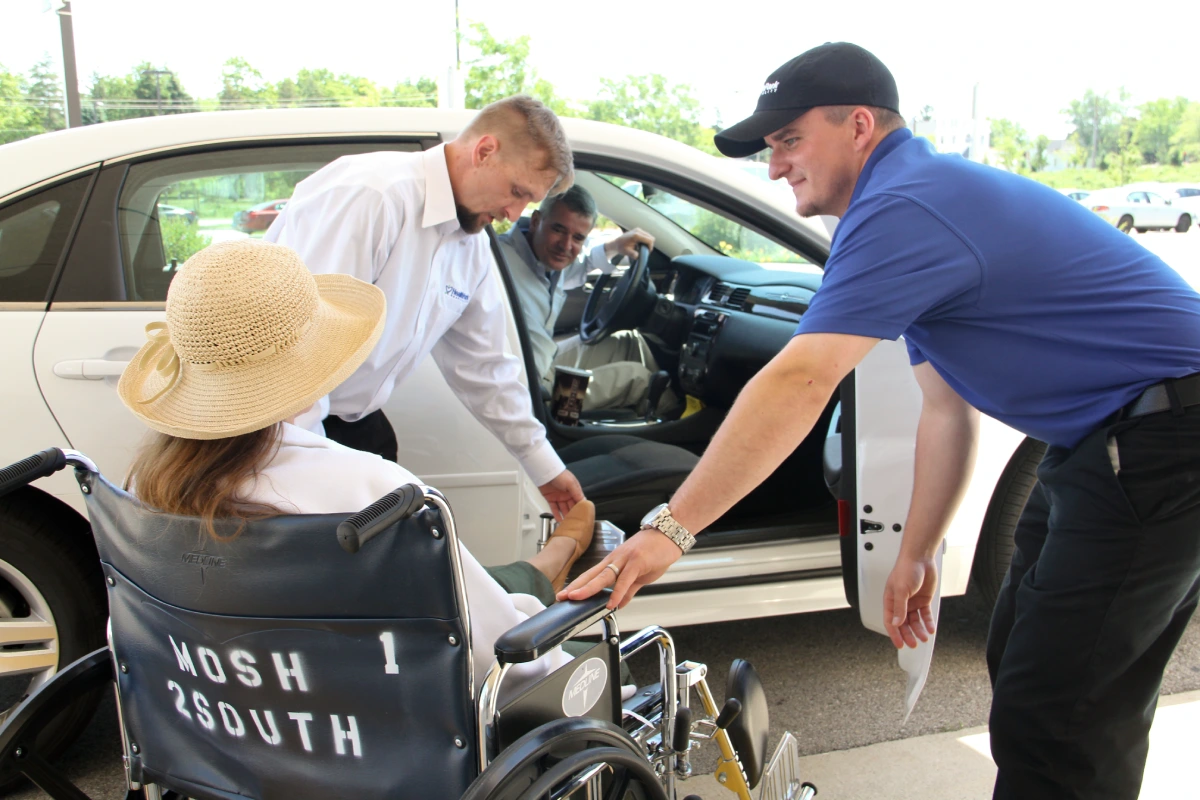
Valet attendants act as the first point of contact. They are trained to spot needs immediately. That might mean offering a mask, calling for a wheelchair, or directing a symptomatic guest to a specific entrance.
This proactive valet service keeps the environment cleaner and safer for everyone passing through the lobby.
Optimizing Traffic Flow and Parking Spaces
A crowded parking lot often leads to patient stress. When a patient arrives feeling unwell, searching for parking spaces becomes a real burden. High traffic can also cause delays that ripple through the rest of the hospital schedule.
Healthcare valet services solve this through expert valet operations.
Keeping Entrances Clear for Emergencies
Trained valet attendants keep traffic flow steady by:
1- Directing vehicles to the correct lane
2- Loading and unloading quickly
3- Keeping fire lanes and ambulance bays clear
4- Moving cars to designated parking spaces without delay
That allows ambulances and urgent arrivals to reach the door without obstruction.
Smart Use of Limited Parking Spaces
Most hospitals do not have unlimited space. Skilled valet operations stack vehicles efficiently, so more cars fit in the same lot. That reduces overflow and frustration during peak hours.
Strong programs also use historical data to forecast vehicle volume during flu surges. The team is staffed accordingly so that no one is left waiting in the cold.
The Role of the Valet Team in Patient Care
Not every valet program is built for healthcare. A retail or restaurant model does not fit a hospital setting. A healthcare-focused valet team acts as a seamless extension of the hospital staff.
Healthcare Specific Training
Valet attendants in healthcare facilities need training in:
1- Patient privacy and basic HIPAA awareness
2- Helping patients with wheelchairs and walkers
3- Recognizing signs of distress or medical emergencies
4- Patient-centered communication that eases anxiety
This goes well beyond parking skills. It is part of true patient care.
Reliable Staffing During Surges
Flu season is not predictable week to week. Some days are quiet. Others bring waves of arrivals. The valet team needs the flexibility to scale up and down without service gaps.
Good healthcare parking management uses forecasting to match staff levels to demand, so peak hours never feel chaotic.
Improving Patient Satisfaction During Peak Times
Patient satisfaction is often tied to how easy it is to access care. A seamless entry sets a positive tone for the whole visit. When healthcare facilities choose to offer valet, they show a real commitment to guest comfort.
Easing Anxiety at Arrival
Professional valet parking services give a helping hand to those who need it most. This includes:
1- Elderly visitors managing icy walkways
2- Parents arriving with sick children
3- Post-surgery patients with limited mobility
4- Caregivers carrying bags, paperwork, or medical equipment
A warm welcome at the curb eases the stress of a hospital visit before it begins.
Reducing Late Appointments
When it is easy to enter the building, patients are more likely to arrive on time. That punctuality keeps the internal clinical flow moving smoothly for everyone.
Hospital valet services also create a smoother exit. A patient who leaves without stress is more likely to recommend the facility later.
Technology That Speeds Up Valet Operations
Modern hospital valet services rely on smart tools to keep things moving during surges.
Key features of a strong program include:
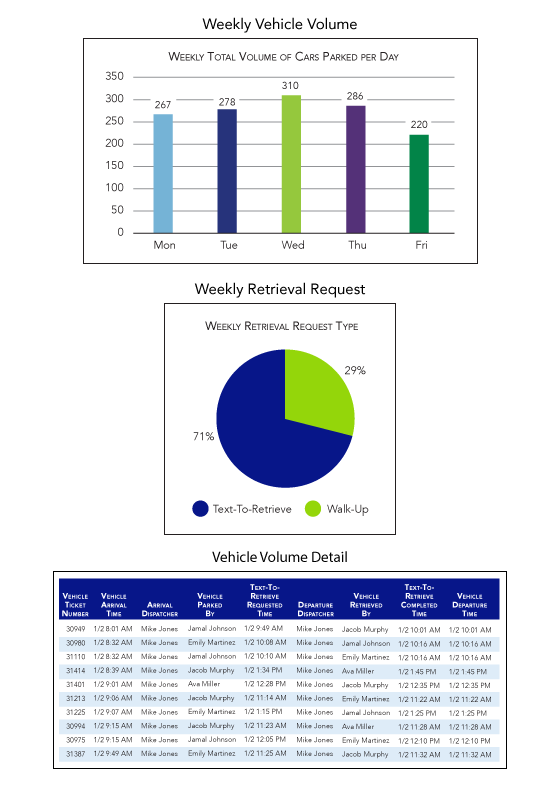
1- Mobile retrieval requests to reduce lobby congestion
2- Touchless tickets for better hygiene
3- Vehicle volume tracking to manage peak hours
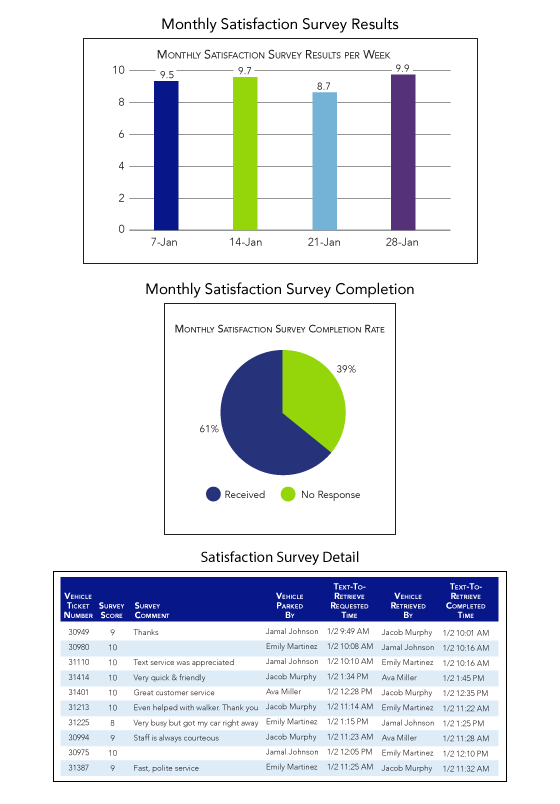
4- Real-time data and patient satisfaction reporting
These tools cut wait times and make the exit just as smooth as the entry. They also give hospital administrators clear data on how the program is performing season over season.
Building a Valet Program That Works Year After Year
Flu season may peak in winter, but the lessons apply year-round. Hospitals that offer valet through a healthcare-focused partner tend to see steadier traffic flow, better use of parking spaces, and stronger patient satisfaction across every season.
A few signs of a strong program:
1- A healthcare-only focus.
2- Trained, courteous valet attendants
3- Clear infection control protocols
4- Real-time data and reporting
5- Backup staffing for surge days
When these pieces work together, valet stops being a parking service and becomes part of patient care.
Frequently Asked Questions
Why are valet services during flu season more important than usual?
Hospitals see higher patient volumes in flu season, and many of those patients are unwell, older, or immunocompromised. Valet service shortens the distance they need to walk, reduces time spent in shared areas, and keeps the entrance running smoothly when traffic is at its heaviest.
Do hospital valet services help with infection control?
Yes. Professional valet parking services include hygiene practices like touchless tickets, surface cleaning, hand hygiene stations, and trained valet attendants who follow facility-wide infection control rules. These steps support the broader safety protocols already in place inside the hospital.
What kind of training do healthcare valet attendants need?
They need more than driving skills. Good training covers HIPAA awareness, helping patients with mobility devices, calm emergency response, and patient-centered communication. The goal is to make every guest feel cared for from the moment they arrive.
How do valet operations help traffic flow at busy hospitals?
A valet team manages drop-offs, pickups, and parking lot routing in one coordinated system. This keeps ambulance lanes clear, reduces backups at the entrance, and helps patients and visitors move in and out without delay during peak hours.
Can valet services improve patient satisfaction scores?
Yes. Patient satisfaction often rises when arrival and departure feel easy. A friendly greeting, fast service, and zero parking stress all shape how patients rate their overall visit. Many facilities see this reflected directly in their survey results.
How do hospitals decide how many valet attendants to staff during flu season?
Strong healthcare parking management uses historical vehicle volume data and seasonal forecasting to set staffing levels. This avoids long waits during peak hours without overstaffing on slower days, which keeps costs in check while still protecting the patient experience.